Lyme Park Circular
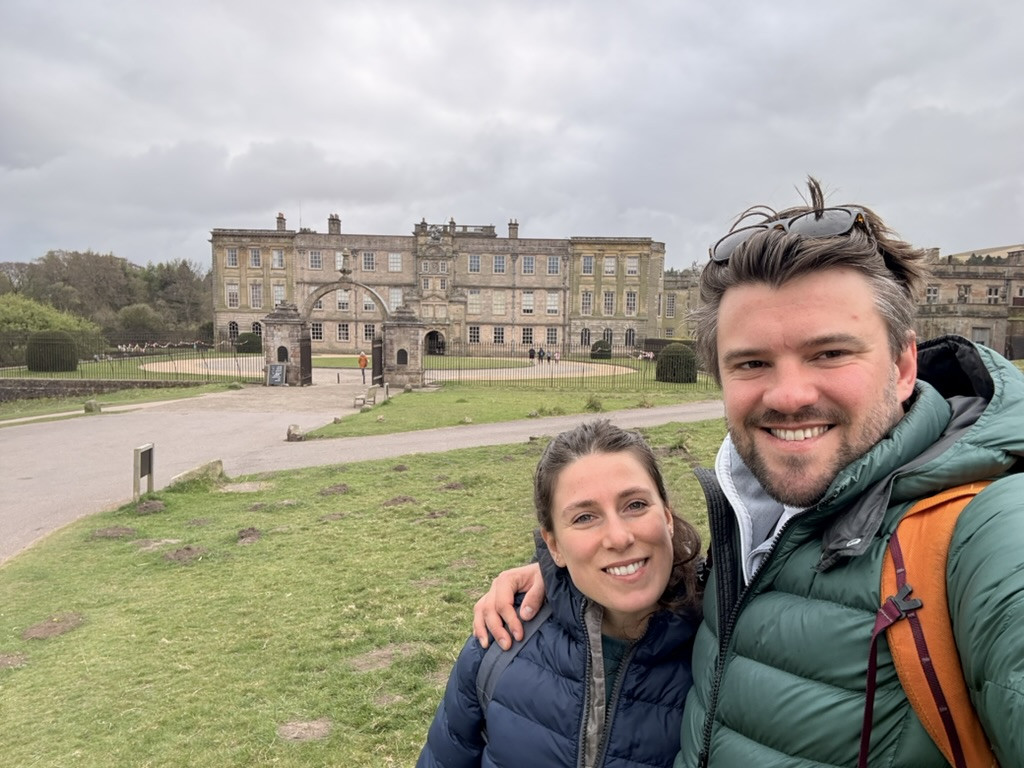
The Lyme Park Circular starts at Disley railway station, making it easy to reach by train as well as by car, with ample parking nearby. If you want coffee before the climbing begins, Finch & Fig on Market Street is our recommendation. Starting with caffeine already sorted removes at least one avoidable complication.
Lyme Park is one of our favourite places, not only for the walks but also for the history that reveals itself as you move through the estate. From the station, the route heads up Red Lane, passes the church and enters the park through a side entrance. Village streets quickly give way to open parkland, the main house and the hilltop tower known as The Cage.
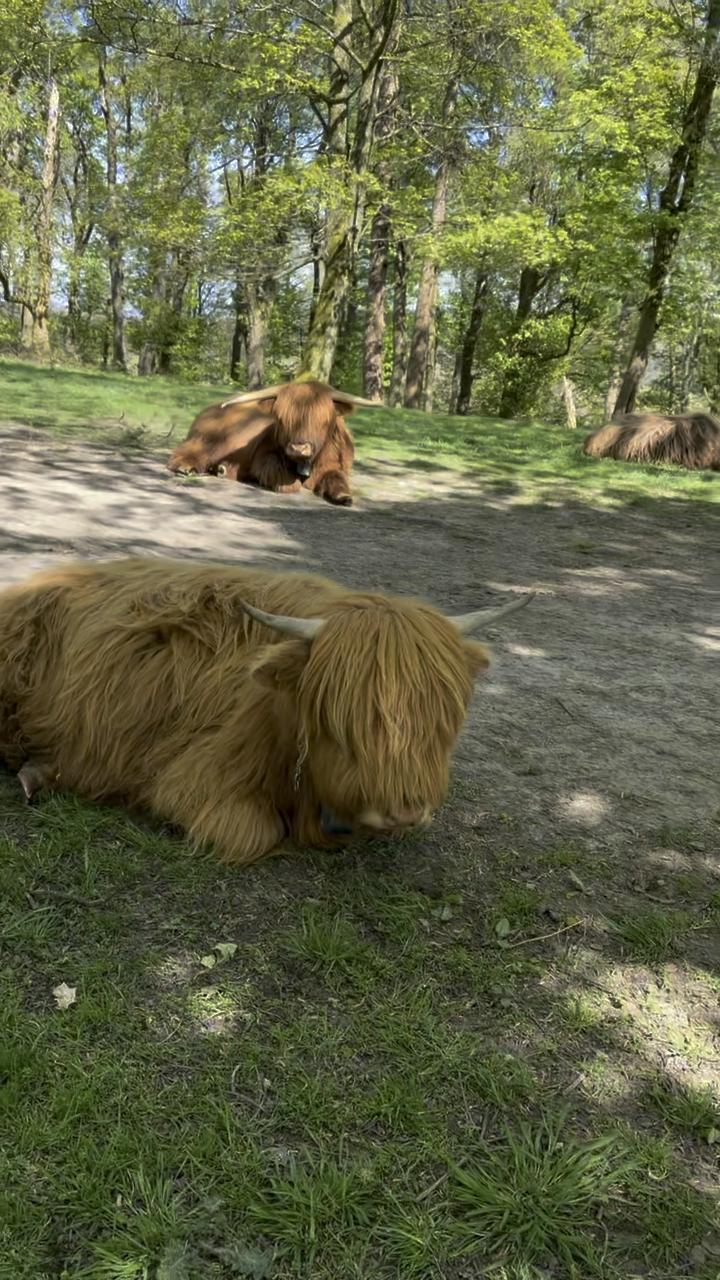
Beyond the central estate, the walk climbs to the outer walls and follows them around much of the higher ground. On a clear day, the views reach across East Cheshire. The route then drops back into the main part of the estate, where we came across Highland cattle resting in the shade, before returning past the main house and The Cage and retracing the outward path into Disley.
Disley Station to Lyme Park and Back
Coffee, The Cage, the outer walls and a pint in Disley
- Distance
- 13.7 km
- Climbing
- 524 m
Begin at Disley railway station, which you can reach by train or car, with ample parking available. Before setting off, Finch & Fig on Market Street is our pick for a morning coffee. It is close to the start and provides a civilised few minutes before Red Lane introduces the day’s climbing.
From the station, head up Red Lane and continue past the church. A side entrance takes you into Lyme Park, where the streets of Disley quickly give way to the estate’s open ground.
The history begins almost as soon as you enter. The Legh family’s connection with Lyme dates back to 1398, when Richard II granted Lyme Handley to Piers Legh I and Margaret d’Anyers. It was not an especially settled start to six centuries of family ownership: Henry Bolingbroke had Piers executed two years later.
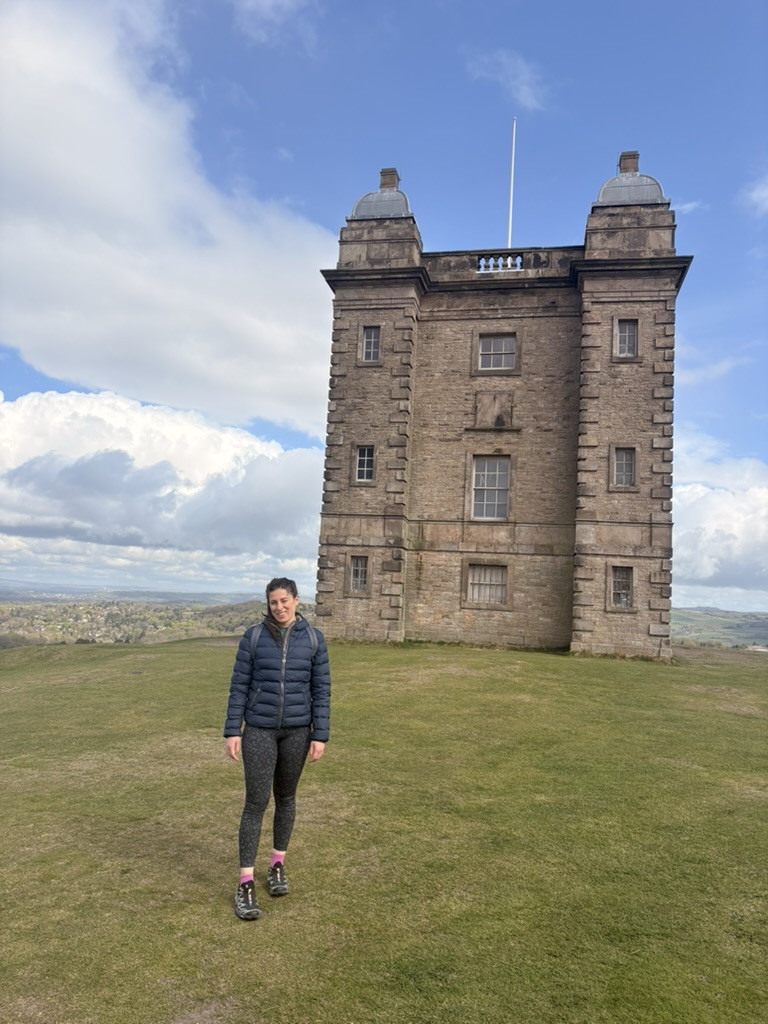
Make for The Cage, the tower standing on the hill in front of the main house. The climb brings you above Lyme Hall and gives the first proper sense of the surrounding countryside. From the tower, turn left and continue uphill towards the outer walls of the estate.
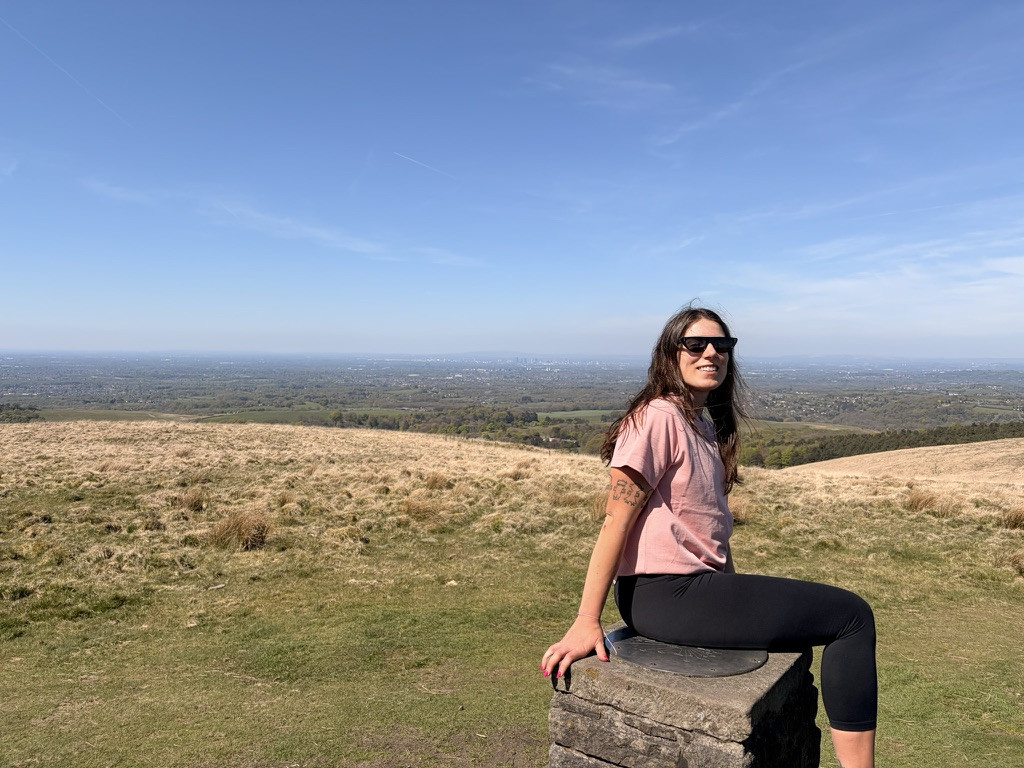
At the top of the climb, the trig point sits in the higher grassland with the Cheshire landscape spread out behind it.
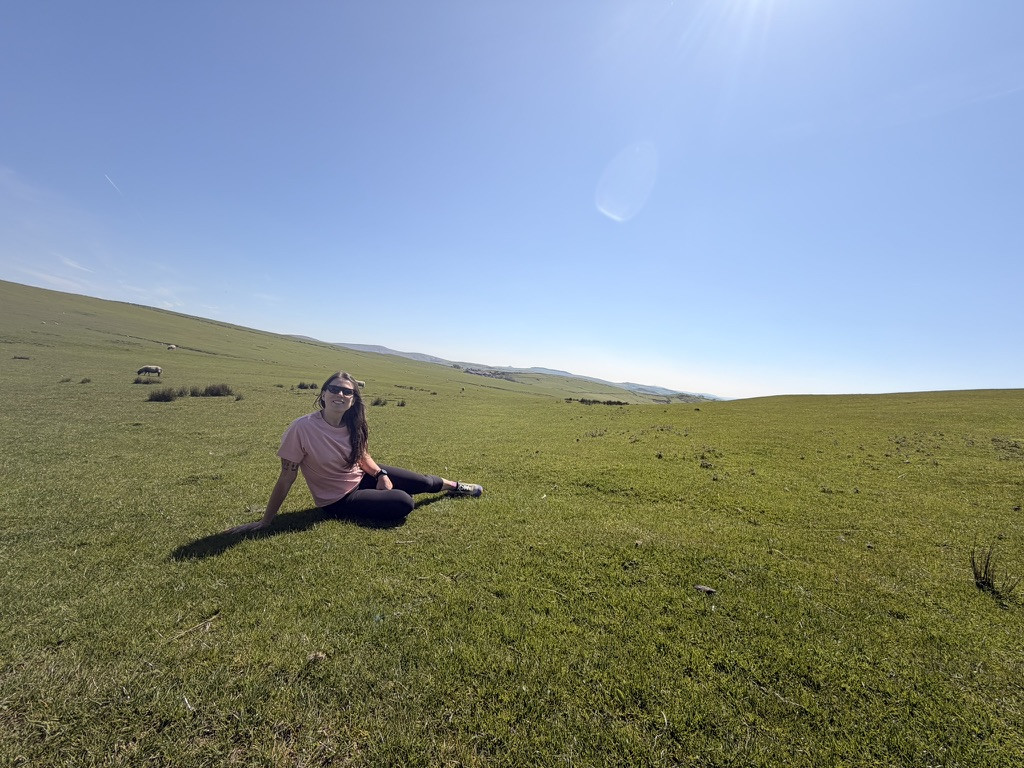
Follow the outer walls around most of the higher section. The route stays out in wide, open grass fields, and on a clear day you can see across East Cheshire. There is very little to interrupt the view, apart from the occasional sheep looking entirely unimpressed by it.
The path eventually drops down to the main part of the estate. We came across some really cute Highland cattle who were relishing a bit of shade under the trees.
From there you can enjoy exploring the estate back round to the main house. A house was recorded here by 1465, but the present Lyme Hall began taking shape in the middle of the 16th century. Giacomo Leoni added the south range in the 1720s, combining Palladian and Baroque ideas with the surviving Elizabethan building, while Lewis Wyatt remodelled the interiors between 1816 and 1822.
The Legh family also supplied one of Lyme’s best-known stories. After Piers Legh II was wounded at Agincourt in 1415, his mastiff is said to have guarded him during the fighting. The dog returned to Lyme, where the family kept its mastiffs as a separate line that later helped establish the modern breed, although the Lyme strain died out around the start of the 20th century.
Even the estate’s more recent history is varied. Lyme served as an RAF lorry depot during the Second World War, and Richard Legh, 3rd Baron Newton, gave it to the National Trust in 1946. The Trust did not take direct control until 1994.
If you need a drink or a snack, the house shop is a handy stop before returning to The Cage and retracing the outward route through the side entrance and back down Red Lane.
Once you are back in Disley, the Rams Head is our recommendation for a well-earned pint. It also keeps you close to the station, which is useful after a day spent climbing around the estate.
After the main house, the route returns to The Cage and follows the same way back out of Lyme Park, down Red Lane and into Disley. The Rams Head is our recommended finish for a well-earned pint, and it is conveniently close to the station for the journey home.
This circular fits plenty into a day without making the logistics difficult: coffee in the village, a steady climb into the estate, open grassland, broad Cheshire views and Highland cattle on the descent. Then a pub at the end, which is generally where good walking plans should lead.
Photo journal
Scenes from the route.
Open any photograph to see it in full and browse the complete set.
1 of 5